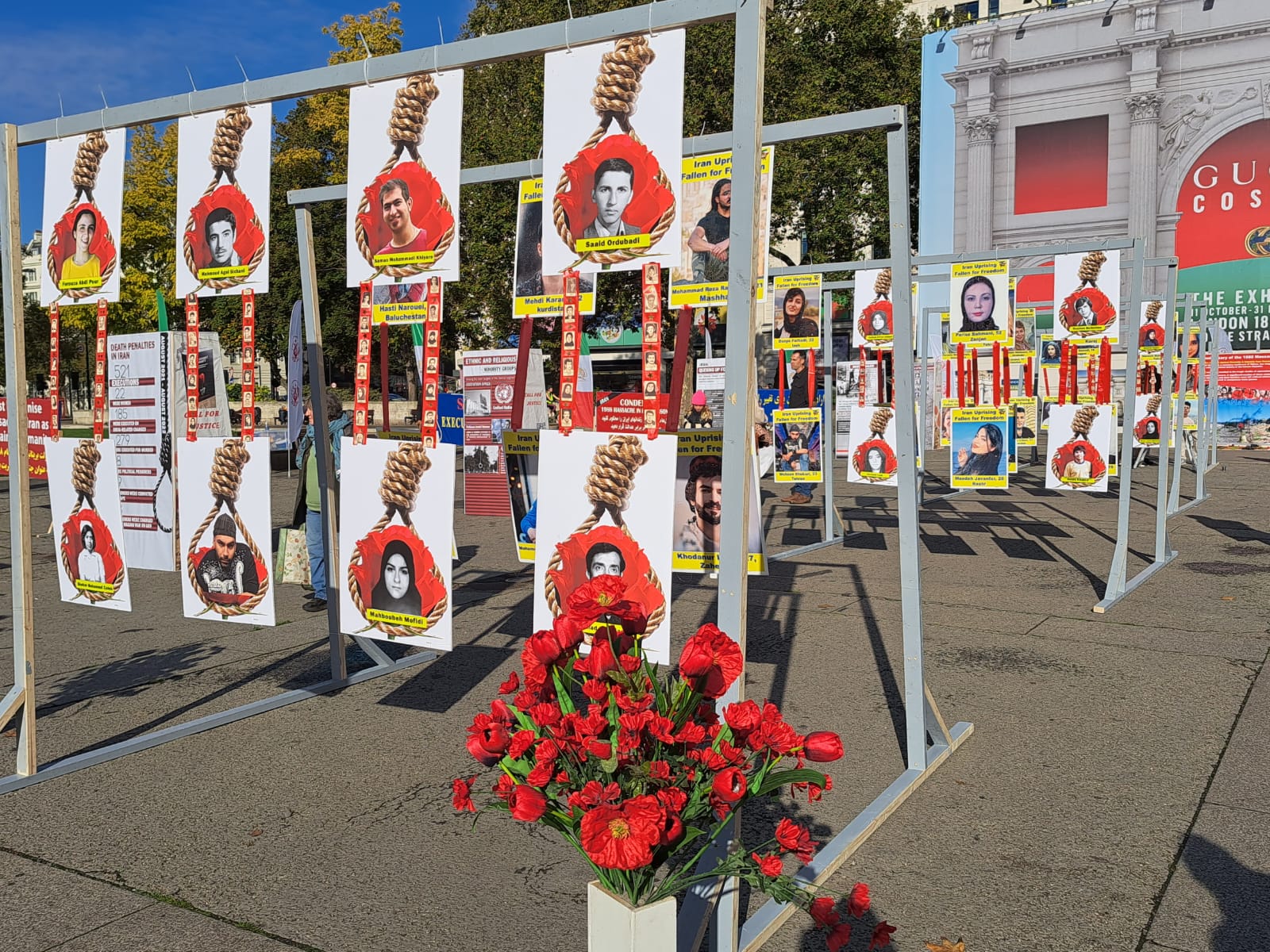
For Iran, execution is not merely a legal punishment; it is a primary language through which the state communicates with its people—one of intimidation, aimed at crushing a nation seeking freedom. For the regime, executions function like oxygen for a system facing the threat of popular uprising and internal dissent.
Amid ongoing war, nine political prisoners have reportedly been executed. Among them were six members of the MEK/PMOI, alongside three young protesters from the January 2026 uprising, including two teenagers. These executions appear to exploit wartime conditions and a near-total internet blackout to suppress dissent, control information, and silence the voices of the Iranian people.
Maryam Akbari Monfared, one of Iran’s longest-serving female political prisoners, was released on April 8, 2026, after nearly 17 years in prison without a single day of furlough. Her release marks a moment of hope for many who campaigned for her freedom. Despite suffering from multiple serious health conditions, authorities repeatedly denied her access to medical treatment outside prison.
A sweeping wave of anti-regime protests has erupted across Iranian universities, as students at some of the country’s most prominent academic institutions boycotted classes and turned their campuses into centres of open resistance against the ruling theocracy.
On 29 January 2026, the European Union formally designated Iran’s Islamic Revolutionary Guard Corps, IRGC, as a terrorist organisation after a unanimous decision by all 27 member states at the Foreign Affairs Council. The move places the IRGC on the EU terrorist list alongside ISIL and Al Qaida, signalling that Europe views the Guard not as a conventional state body, but as a driver of repression and transnational violence.